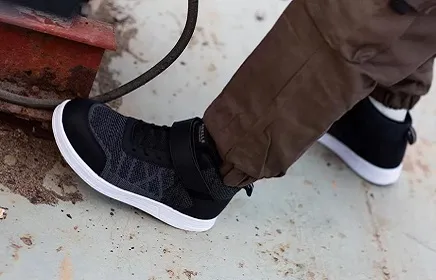
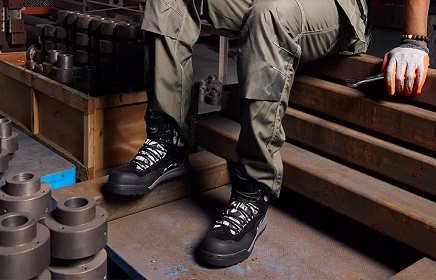
Working around molten metal, welding sparks and intense heat requires more than ordinary industrial safety footwear. In foundries and welding environments, footwear must be designed around thermal hazards that can quickly cause serious injury. This is where EN ISO 20349 becomes especially important.
Unlike general-purpose safety footwear standards, EN ISO 20349 specifically addresses footwear intended for risks encountered in foundries, welding and related processes. The current standard is divided into EN ISO 20349-1 for foundry risks and EN ISO 20349-2 for welding and allied processes. Both standards specify requirements and test methods for footwear designed for these demanding environments, while also incorporating protection defined by EN ISO 20345.
For safety managers, PPE distributors and industrial buyers, understanding this distinction helps prevent a common mistake: selecting footwear simply because it has a heat-resistant outsole. For high-risk applications, the complete footwear construction, certification, thermal protection and workplace hazards all need to be considered together.
What Is EN ISO 20349 Safety Footwear?
EN ISO 20349 is an international standard for protective footwear designed for foundries, welding and related high-temperature work. The current framework consists of two parts. EN ISO 20349-1:2017 covers protection against risks encountered in foundries, while EN ISO 20349-2:2017 addresses welding and allied processes. Both versions remain current according to ISO's latest confirmation information.
The standard is more specialized than a general safety footwear standard because it considers hazards associated with thermal exposure and molten materials. Earlier ISO 20349:2010 referred specifically to thermal risks and molten iron or aluminium splashes; that edition has since been withdrawn and replaced by the two-part 2017 framework.
This means buyers should not treat EN ISO 20349 as simply another label for high-temperature work shoes. It is intended for applications where the footwear itself needs to address risks specific to foundry and welding operations.
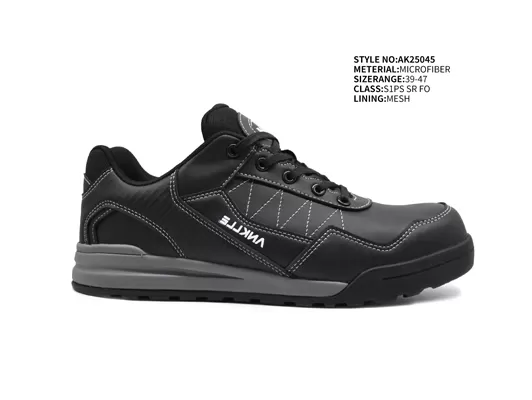
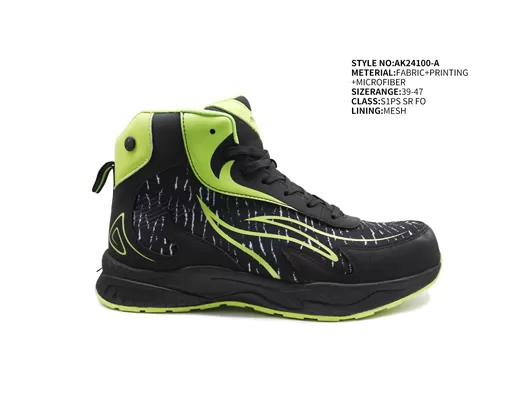
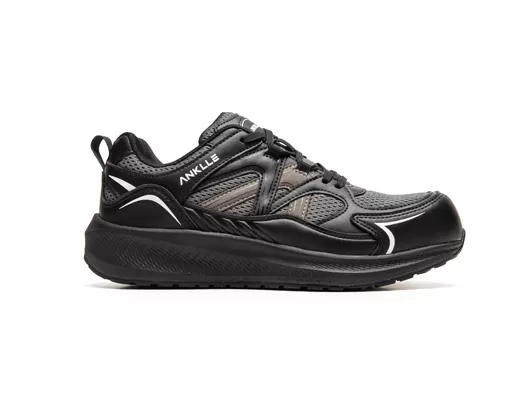
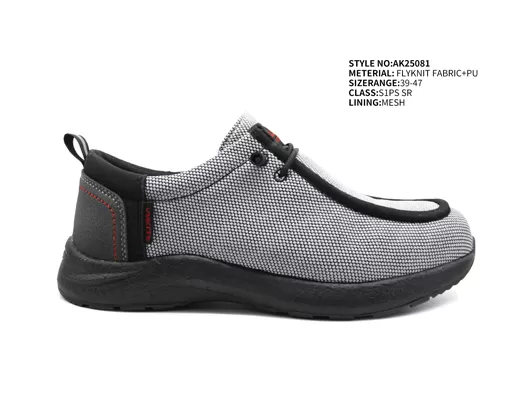
ANKLLE positions its EN ISO 20349 protective footwear for demanding industrial environments and provides a dedicated product category for buyers looking for footwear designed around these requirements.
Which Hazards Does EN ISO 20349 Address?
Foundry and welding operations can expose workers to several hazards simultaneously. Molten metal splashes, hot surfaces, sparks, radiant heat and high-temperature working conditions can place stress on footwear components that would be adequate for ordinary industrial work.
When evaluating high test safety footwear for these environments, buyers should consider the actual hazards rather than relying on one feature such as a heat-resistant sole.
Key factors include:
Molten material exposure: Footwear may need protection against molten metal risks associated with foundry operations.
Welding and thermal hazards: Welding environments involve sparks, hot particles and elevated temperatures that require purpose-designed footwear.
Mechanical hazards: Toe protection and other basic safety characteristics remain important because thermal hazards rarely occur in isolation.
Slip and surface conditions: Industrial floors may contain oil, water, metal fragments or other contaminants, making outsole grip an important consideration.
Footwear construction: Upper coverage, fastening design, sole materials and overall construction can influence how well footwear performs in the intended environment.
ISO states that footwear complying with ISO 20349-1 also provides other protection defined in ISO 20345. The same relationship applies to ISO 20349-2, making the standard part of a broader safety-footwear protection framework rather than an isolated thermal specification.
How EN ISO 20349 Footwear Protects Foundry and Welding Workers
Protection in high-temperature workplaces depends on the interaction between several footwear components. A reinforced toe area can help address impact hazards, while a suitably engineered outsole contributes to resistance against hot working surfaces and demanding industrial conditions. The upper and closure system are equally important because they influence how effectively the foot is covered during work.
ANKLLE's EN ISO 20349 footwear range illustrates this multi-component approach. The company identifies reinforced toe caps, puncture-resistant midsole layers, durable upper materials and high-traction outsole compounds among the technologies used across its protective footwear range.
For example, ANKLLE's AK24056 S3S Protective Shoes are listed with a composite toe cap, KEVLAR midsole, rubber outsole, SR slip resistance and oil resistance. The product page identifies compliance with EN ISO 20349 S3S SR FO.
However, product selection should always be based on the actual risk assessment for the workplace. A shoe with a heat-resistant outsole alone should not automatically be treated as suitable for molten-metal exposure. Buyers should verify the relevant standard, product markings and supporting test documentation before procurement.
EN ISO 20349 vs. EN ISO 20345: What Is the Difference?
The two standards are closely related but serve different primary purposes. EN ISO 20345 establishes requirements for safety footwear with protective toe caps, while EN ISO 20349 adds requirements and test methods for footwear intended for foundry and welding hazards. ISO explicitly notes that footwear complying with EN ISO 20349 also offers protection defined under EN ISO 20345.
Footwear Standard | Main Protection Focus | Typical Hazards | Common Applications |
EN ISO 20345 | General occupational safety | Impact, compression, puncture and slips | Construction and manufacturing |
EN ISO 20349 | Thermal and molten-material risks | Heat, sparks and molten metal | Foundries and welding |
EN ISO 20347 | Occupational footwear | Slips and workplace conditions | Logistics and light industry |
The difference matters when specifying industrial safety footwear for specialized work. A general EN ISO 20345 shoe may provide excellent protection for construction or manufacturing, but that does not automatically mean it is appropriate for a foundry or welding operation where thermal and molten-material risks are central to the job.
How to Choose EN ISO 20349 Safety Footwear
The right footwear should be selected from a documented workplace risk assessment rather than from the standard name alone. A foundry worker handling molten metal may face a different combination of risks from a welder performing short-duration fabrication work.
When purchasing EN ISO 20349 footwear, pay particular attention to:
Application-specific certification: Confirm whether the product is certified to the relevant EN ISO 20349-1 or EN ISO 20349-2 requirements.
Thermal and molten-material hazards: Identify the temperature, material and exposure conditions workers actually encounter.
Toe and puncture protection: Check whether the required mechanical protection is incorporated into the specific model.
Outsole performance: Consider heat, oil, slip and surface conditions in the workplace.
Upper and closure design: For environments involving sparks or molten material, adequate coverage and suitable construction are essential.
Test reports and documentation: Ask suppliers for certification and test information rather than relying solely on marketing descriptions.
ANKLLE's protective footwear portfolio includes EN ISO 20349 products designed for demanding industrial environments. The company's broader product range also covers EN ISO 20345 safety footwear and EN ISO 20347 occupational footwear, allowing buyers to compare footwear according to application and protection requirements.
For industrial buyers evaluating specialized protective footwear, the ANKLLE EN ISO 20349 Protective Shoes category provides a direct starting point for reviewing available models and specifications.
The most important principle is simple: choose footwear based on the hazards workers actually face. EN ISO 20349 is particularly relevant when thermal, welding or foundry risks are part of the working environment, but certification, construction and additional protection features should always be checked together before making a purchasing decision.