The EN ISO 20347 standard is a key international guideline for occupational footwear designed for workplaces where toe impact protection is not required, but safety, comfort, and slip resistance remain essential. Understanding this standard—and its OB, O1, O2, and O3 classifications—helps buyers, safety managers, and employers select the right work shoes for their environment.
This article provides a clear explanation of the ISO 20347 safety standard, outlines classification differences, and shows how compliant footwear such as ANKLLE EN ISO 20347 boots supports safer and more efficient workplaces.
What Is the EN ISO 20347 Standard?
The EN ISO 20347 standard specifies basic and optional performance requirements for occupational footwear that does not include a protective toe cap. Unlike EN ISO 20345 safety footwear, this standard applies to jobs where there is no risk of heavy falling objects or compression injuries.
According to the International Organization for Standardization, EN ISO 20347 focuses on protection against slips, moisture, fatigue, and ergonomic stress, making it ideal for service industries and light-risk environments.
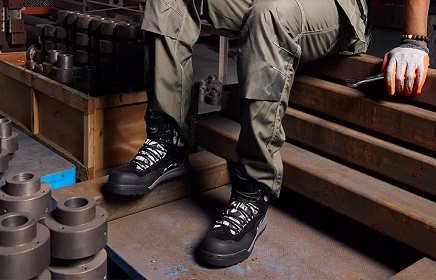
Typical industries using EN ISO 20347 footwear include healthcare, hospitality, logistics, retail, food processing, and light manufacturing.
EN ISO 20347 vs ISO 20345 Safety Standard
The ISO 20347 safety standard is often confused with ISO 20345. The key difference lies in toe protection.
Standard | Toe Protection | Main Focus | Typical Use |
EN ISO 20347 | No toe cap | Slip resistance, comfort | Low-risk workplaces |
EN ISO 20345 | 200J toe cap | Impact & compression protection | High-risk environments |
Choosing the correct standard ensures both compliance and appropriate protection.
OB, O1, O2, O3 Classifications Explained
EN ISO 20347 footwear is divided into O-classifications, each adding functional protection layers. Understanding these classes is essential when choosing EN ISO 20347 boots.
Classification | Mandatory Features | Suitable Work Environments |
OB | Basic requirements + slip resistance | Offices, retail |
O1 | OB + closed heel, antistatic, heel energy absorption | Warehousing, logistics |
O2 | O1 + water-resistant upper | Cleaning, food industry |
O3 | O2 + penetration-resistant sole + treaded outsole | Outdoor & light industrial work |
Higher classifications provide broader protection while maintaining lightweight comfort.
Why EN ISO 20347 Footwear Improves Workplace Safety
Although EN ISO 20347 footwear does not include a toe cap, it significantly improves safety by addressing common workplace injury risks:
Slip-resistant soles reduce fall accidents
Heel energy absorption lowers fatigue during long shifts
Water-resistant uppers improve hygiene and comfort
Antistatic properties protect sensitive work environments
The updated EN ISO 20347:2022 version strengthens performance requirements for slip resistance and durability.
ANKLLE EN ISO 20347 Boots: Practical Compliance for Real Workplaces
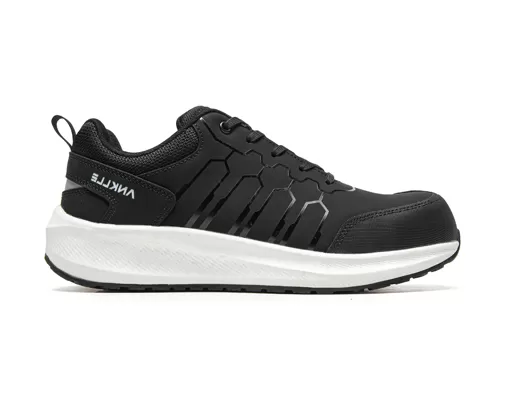
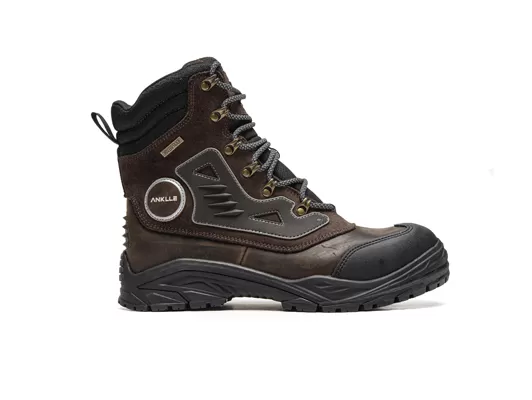
ANKLLE offers a professional range of EN ISO 20347 boots and work shoes engineered for comfort, durability, and certified compliance.
Key Advantages of ANKLLE Occupational Footwear
Certified EN ISO 20347 standard compliance
Slip-resistant outsoles for wet and oily floors
Lightweight, ergonomic design for all-day wear
Durable materials suitable for indoor and outdoor use
ANKLLE footwear is widely adopted across healthcare, logistics, hospitality, and service industries, making it a trusted occupational footwear supplier.
Conclusion
The EN ISO 20347 standard provides a clear framework for occupational footwear where toe protection is unnecessary but safety, comfort, and slip resistance are critical. By understanding OB, O1, O2, and O3 classifications, buyers can confidently select footwear that matches workplace risks.
With certified designs and practical performance, ANKLLE EN ISO 20347 boots help businesses enhance workplace safety, improve comfort, and maintain compliance mentioned in the ISO 20347 safety standard.