

Dirt, mud, and debris can clog the pores of S2 safety shoes’ waterproof uppers and break down DWR (durable water repellent) coatings over time. After each use, wipe off surface dirt with a soft brush or damp cloth. For heavier grime, use mild soap and lukewarm water—avoid harsh detergents, bleach, or abrasive scrubbers, as these damage the waterproof membrane and leather. Gently scrub stained areas, then rinse thoroughly and pat dry with a towel to prevent residue buildup.
Reapply DWR Coating Every 3–6 Months
S2 safety shoes rely on DWR coatings to make water bead up and roll off the surface. When water stops beading and instead soaks into the upper, it’s time to refresh the coating. First, clean the shoes and let them dry completely. Then, apply a shoe-specific DWR spray or wax, holding the can 6–8 inches from the surface and spraying evenly. Pay extra attention to seams, where water often seeps in. Allow the coating to dry for 24 hours before wearing the shoes again to ensure full adhesion
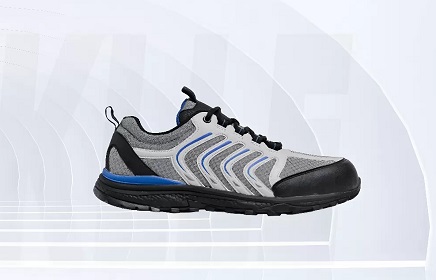
Landscaping: Lightweight S2 Safety Shoes Sneakers
Flexible soles for uneven terrain; water-repellent uppers resist grass clippings/moisture, with cushioned insoles for long walks.
Marine Work: Steel-Toe S2 Safety Boots
Impact protection for heavy loads; oil-resistant outsoles handle slippery docks, with fully waterproof membranes.
Agriculture: Easy-Clean S2 Safety Shoes
Smooth uppers wipe clean of manure/irrigation water; slip-resistant soles grip muddy fields, with durable stitching for rough use.