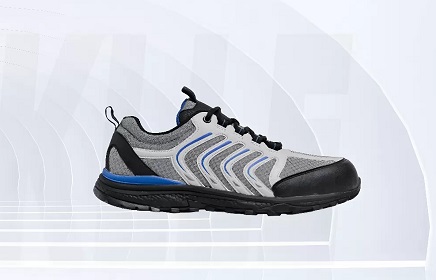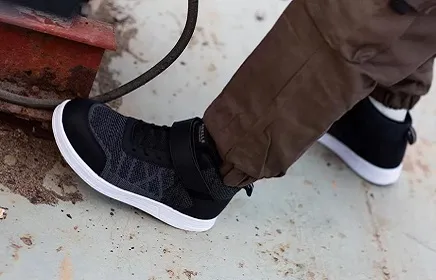


Certified O1 Oil Resistance for Slippery Surfaces
The defining feature of O1 safety boots is their ability to resist oil absorption and maintain grip on oil-contaminated floors—one of the top causes of workplace slips. Look for boots certified to meet EN ISO 20345 (the global safety footwear standard) for O1 rating, which means the outsole and upper won’t soak up oil or grease. High-quality O1 outsoles use oil-repellent rubber compounds (often infused with silica or carbon) that repel oil rather than absorbing it, ensuring the sole doesn’t become slippery or degrade over time. Test for this by checking if the outsole stays rigid and grippy after contact with motor oil—cheaper non-certified boots may lose traction or soften when exposed to oil.
Impact-Resistant Toe Caps (Steel or Composite)
O1 boots aren’t just for oil protection—they must also shield feet from heavy impacts (e.g., dropped tools, machinery parts). Opt for boots with either steel or composite toe caps that meet EN ISO 20345’s 200J impact resistance standard. Steel toes offer maximum durability and affordability, making them ideal for heavy-industry roles like auto repair. Composite toes (made of carbon fiber or fiberglass) are lighter (30–40% lighter than steel) and non-conductive, perfect for workers who need to avoid metal contact (e.g., electrical maintenance in oil-rich areas). Either way, ensure the toe cap fits snugly without pinching—ill-fitting toes reduce comfort and can compromise protection.
Basic Safety Add-Ons at Low Cost
Includes essential protections (e.g., 200J composite toes, basic slip resistance) without premium price tags.
Durable for Regular Trade Use
Tough synthetic uppers/oil-repellent soles withstand daily light industrial wear, extending value per dollar.
Versatile for Multi-Trade Applications
Works across light manufacturing, retail warehousing, and local trade jobs—one affordable option for diverse tasks.