

O6's Top-Tier Oil Resistance: A Critical Advantage for Heavy Industry
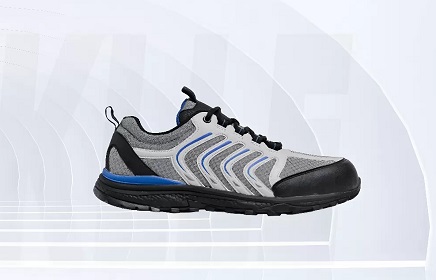
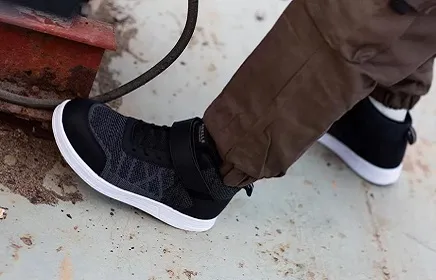
Heavy industrial sites (e.g., auto assembly lines, oil refineries) are often saturated with oil, grease, or lubricants—slippery surfaces that cause frequent falls. O6 work shoes excel here: their outsoles use specialized oil-repellent rubber compounds (infused with silica or fluoropolymers) that resist absorption and maintain grip even after hours of contact with heavy oil. Unlike lower oil-rated shoes (O1–O5), which may soften or lose traction over time, O6 outsoles retain their rigidity and slip resistance, meeting SR (Slip-Resistant) standards like ASTM F2913 or EN ISO 13287 for wet/oily surfaces. For workers operating machinery or walking on oil-slicked floors, this top-tier oil resistance is a non-negotiable safety feature—making O6 shoes a strong candidate for heavy industry.
Chemical Resistance: O6 vs. Corrosive Substances (Beyond Oil)
Heavy industry often involves more than just oil—workers may encounter corrosive chemicals like solvents, acids, or coolants. O6 shoes are designed for oil, not all chemicals: their rubber outsoles and uppers may degrade when exposed to strong acids (e.g., sulfuric acid in refineries) or solvents (e.g., acetone in manufacturing). To be suitable, O6 shoes should also have chemical-resistant coatings (e.g., nitrile or polyurethane) on the upper and outsole, tested to resist degradation from industry-specific chemicals. For example, an O6 shoe with a nitrile-coated upper can withstand oil and mild solvents, making it useful in automotive manufacturing. However, for environments with highly corrosive substances (e.g., chemical plants), even chemical-resistant O6 shoes may need extra protection (e.g., overshoes)—limiting their standalone suitability.
Chemical Resistance: O6 vs. Corrosive Substances (Beyond Oil)
Heavy industry often involves more than just oil—workers may encounter corrosive chemicals like solvents, acids, or coolants. O6 shoes are designed for oil, not all chemicals: their rubber outsoles and uppers may degrade when exposed to strong acids (e.g., sulfuric acid in refineries) or solvents (e.g., acetone in manufacturing). To be suitable, O6 shoes should also have chemical-resistant coatings (e.g., nitrile or polyurethane) on the upper and outsole, tested to resist degradation from industry-specific chemicals. For example, an O6 shoe with a nitrile-coated upper can withstand oil and mild solvents, making it useful in automotive manufacturing. However, for environments with highly corrosive substances (e.g., chemical plants), even chemical-resistant O6 shoes may need extra protection (e.g., overshoes)—limiting their standalone suitability.