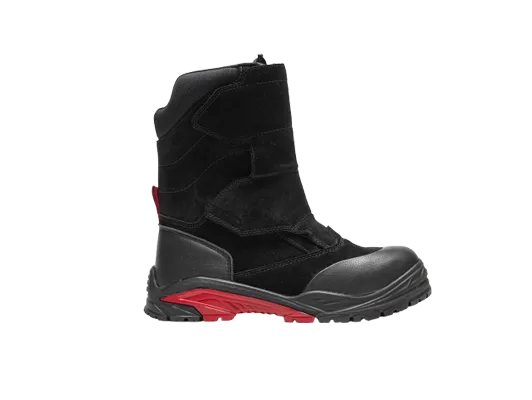
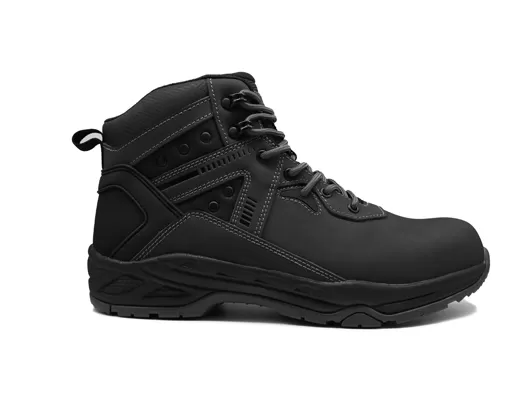
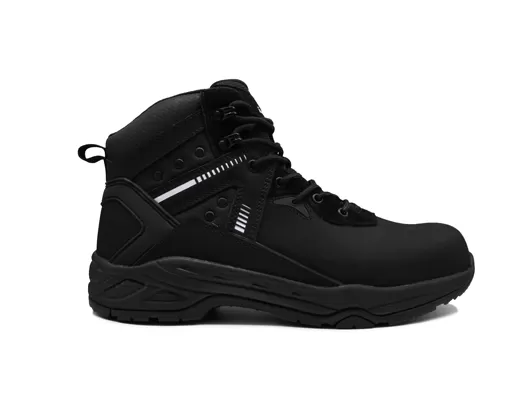
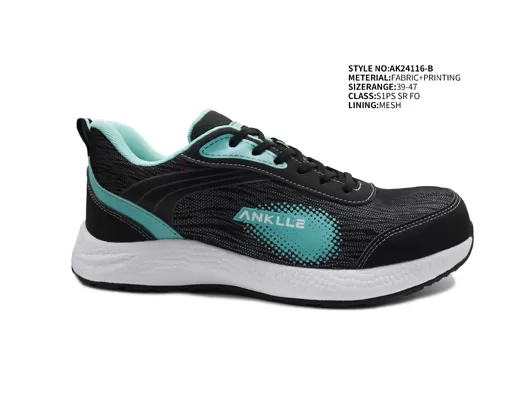
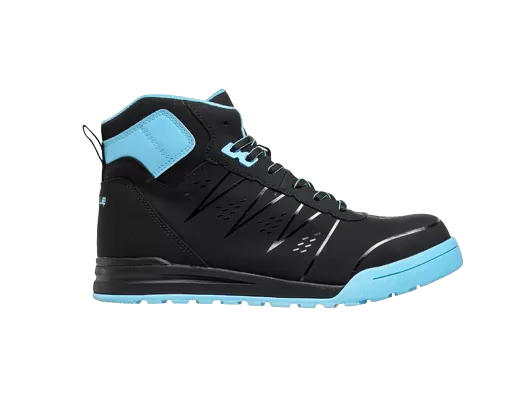
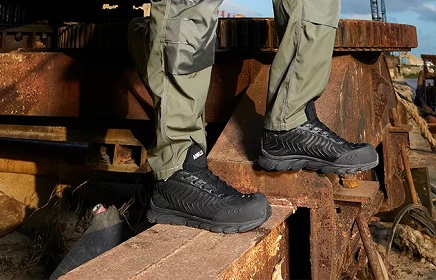
Selecting the right work shoes is one of the most important decisions for ensuring safety, comfort, and productivity on the job. Poorly chosen footwear contributes to discomfort, fatigue, and injuries, while the correct pair protects against workplace hazards and supports long hours of standing or moving.
As a leading industrial safety shoes manufacturer, ANKLLE has been producing high-quality protective footwear since 1990. Our products meet rigorous international standards including EN ISO 20345, EN ISO 20349, and ISO 20347 safety shoes, serving professionals across heavy industry, food processing, electronics, petroleum, and more.
This guide walks you through a practical, step-by-step process to choose the best work shoes for your specific application.
Why Proper Work Shoes Matter
Foot injuries remain a significant workplace issue. According to various reports, thousands of foot-related incidents occur annually, often leading to lost workdays. In the U.S., nonfatal workplace injuries and illnesses numbered around 2.5 million in recent data, with foot and lower extremity problems contributing notably to slips, punctures, and impacts.
Well-designed safety footwear can reduce these risks dramatically. Proper shoes also improve comfort during extended shifts, potentially lowering reports of foot pain (which affects a substantial percentage of workers) and related issues like back or knee strain.
Key Factors to Choose the Right Work Shoes
Step 1: Assess Your Workplace Hazards and Application
Start by identifying the primary risks in your environment:
Heavy impact or compression (construction, manufacturing): Look for safety toe protection.
Slips on oily/wet surfaces (food processing, logistics): Prioritize slip-resistant soles (SRC or SR rating).
Heat, sparks, or molten metal (foundries, welding): Choose footwear compliant with EN ISO 20349.
Punctures from sharp objects (warehousing, construction): Need puncture-resistant midsoles.
Low-risk or general occupational use: ISO 20347 safety shoes provide comfort and basic protection without a safety toe cap.
ANKLLE offers specialized lines for food processing, electronics, heavy industry, petroleum/chemical, and forging applications.
Step 2: Understand Key Safety Standards
Familiarize yourself with these core standards:
EN ISO 20345: Safety footwear with toe protection (e.g., 200 Joules impact).
EN ISO 20349: Protective boots for foundries and welding, offering heat and molten metal resistance.
EN ISO 20347: Occupational footwear for workplaces without major mechanical risks, emphasizing slip resistance and comfort.
ANKLLE’s products are engineered to these exacting standards, ensuring compliance and real-world performance.
Step 3: Consider Materials and Construction
Upper materials: Cow leather for durability, action leather or ultra-soft leather for flexibility, flyknit mesh or fabric for breathability.
Soles: PU/PU, rubber, or specialized compounds for oil resistance, heat resistance (HRO), or extreme grip.
Additional features: Waterproofing, metatarsal guards, electrical hazard protection, or insulated linings.
Comparison Table: Work Shoe Types by Application
Application | Key Hazards | Recommended Features | ANKLLE Standard | Best For |
Construction/Heavy Industry | Impact, punctures, slips | Safety toe, puncture plate, SRC sole | EN ISO 20345 | Durability & protection |
Food Processing | Slips on wet floors, hygiene | Slip-resistant, easy-clean, antimicrobial | EN ISO 20347 / 20345 | Comfort & sanitation |
Foundries/Welding | Heat, sparks, molten metal | Heat-resistant sole (HRO), full coverage | EN ISO 20349 | Thermal protection |
Electronics/Light Industry | Static, light impacts | ESD protection, lightweight, breathable | EN ISO 20347 | Agility & comfort |
Petroleum/Chemical | Chemicals, slips, oil | Oil-resistant, chemical-resistant upper | EN ISO 20345 | Chemical resistance |
General Warehouse/Logistics | Prolonged standing, slips | Cushioned, lightweight, SR sole | EN ISO 20347 | All-day comfort |
Step 4: Prioritize Fit, Comfort, and Ergonomics
Measure feet at the end of the day when they are slightly swollen.
Allow for thick work socks and a small amount of toe room.
Test for flexibility, cushioning, and weight—lighter shoes reduce fatigue over long shifts.
Look for breathable linings and supportive insoles.
ANKLLE designs many models with ergonomic features for all-day wear without sacrificing protection.
Step 5: Evaluate Durability and Additional Features
Consider shift length, terrain, and frequency of use. Features like replaceable insoles or reinforced stitching extend product life and maintain safety performance.
FAQ
1. What is the difference between EN ISO 20345 and EN ISO 20347? EN ISO 20345 includes protective toe caps for impact/compression risks, while EN ISO 20347 (occupational footwear) focuses on slip resistance and comfort in lower mechanical risk environments.
2. Are ANKLLE safety shoes suitable for foundry work?
Yes. Our EN ISO 20349 protective boots are specifically designed for high-heat environments like forges and foundries.
3. How often should I replace my work shoes?
Replace them when the tread wears down, uppers crack, or protective elements (like toe caps) show damage—typically every 6–12 months depending on use.
4. Do I need safety shoes if my job has low mechanical risk?
Yes. ISO 20347 safety shoes provide essential slip resistance, comfort, and basic protection for general occupational use.
5. What makes a good safety shoe for standing all day?
Look for excellent cushioning, breathable materials, lightweight construction, and good arch support to reduce fatigue and foot pain.
6. Can I wear ANKLLE shoes in wet or oily conditions?
Absolutely. Many models feature SRC/SR-rated soles and oil-resistant materials tailored for demanding industrial environments.
Conclusion
Choosing the right work shoes requires balancing protection, comfort, standards compliance, and your specific job demands. By assessing hazards, understanding certifications like EN ISO 20349 and ISO 20347 safety shoes, and selecting quality construction, you invest in your long-term health and performance.
At ANKLLE, a trusted industrial safety shoes manufacturer with over 30 years of experience, we combine advanced materials, rigorous testing, and ergonomic design to deliver footwear that workers trust. Explore our full range of safety shoes, protective boots, and occupational footwear today to find the perfect solution for your application.